
Comprehensive Training Guide for New Employees
Introduction: The Foundation of Business Success
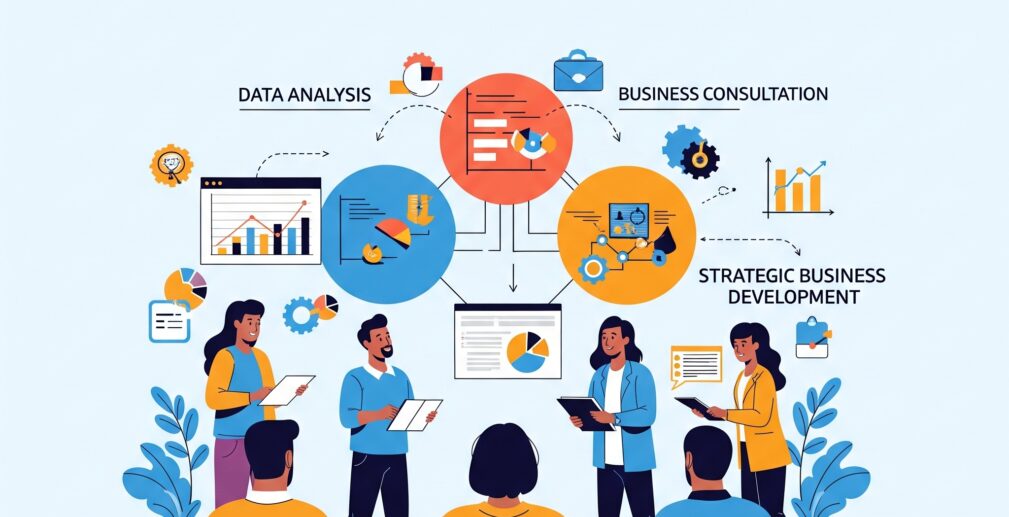
In today’s rapidly evolving business landscape, the success of any organization hinges on one critical factor: its people. At GIC, we understand that comprehensive employee training isn’t just an HR initiative; it’s a strategic investment that drives innovation, productivity, and sustainable growth. As specialists in data analysis, business consultation, and strategic business development, we’ve witnessed firsthand how effective training programs can transform new ventures from promising startups into industry leaders.
The cost of poor onboarding is staggering. Research indicates that organizations with strong onboarding processes improve new hire retention by 82% and productivity by over 70%. Yet, many businesses, particularly new ventures, struggle to implement comprehensive training systems that truly prepare their employees for success.
This guide presents a proven framework for developing and implementing training programs that not only accelerate employee competency but also align with your organization’s strategic objectives and growth trajectory.
Chapter 1: Understanding the Modern Training Landscape
The Evolution of Employee Development
Traditional training methods, characterized by lengthy orientation sessions, overwhelming information dumps, and one-size-fits-all approaches, are rapidly becoming obsolete. Today’s workforce, particularly in data-driven and consultancy environments, requires training that is:
Personalized and Adaptive: Each new employee brings unique skills, experiences, and learning preferences. Modern training programs must be flexible enough to accommodate these differences while ensuring consistent outcomes across all participants.
Technology-Enhanced: Digital transformation has revolutionized how we learn and work. Effective training programs leverage technology not just as a delivery mechanism, but as a tool for creating immersive, interactive learning experiences that mirror real-world challenges.
Outcome-Focused: Rather than measuring training success by hours completed or modules finished, progressive organizations focus on measurable business outcomes: improved performance metrics, faster time-to-competency, and enhanced employee engagement scores.
The GIC Approach to Training Excellence
At GIC, our training methodology is built on three fundamental pillars:
Data-Driven Decision Making: We believe that effective training programs should be grounded in solid data analysis. This means conducting thorough skills assessments, analyzing performance gaps, and continuously measuring the impact of training interventions on business outcomes.
Strategic Alignment: Every training program we design is carefully aligned with the organization’s broader strategic objectives. Whether the goal is market expansion, operational efficiency, or innovation leadership, our training programs are designed to support these higher-level business goals.
Continuous Improvement: Training is not a one-time event but an ongoing process of development and refinement. Our approach emphasizes regular feedback collection, program optimization, and adaptation to changing business needs and market conditions.
Chapter 2: Pre-Training Assessment and Planning
Comprehensive Skills Gap Analysis
Before designing any training program, it’s essential to conduct a thorough assessment of both individual and organizational needs. This process involves several critical components:
Individual Skills Assessment: Each new employee should undergo a comprehensive skills evaluation that examines not only technical competencies but also soft skills, cultural fit, and learning preferences. This assessment should include practical exercises, behavioral interviews, and self-assessment questionnaires.
Role-Specific Requirements Analysis: Different positions within an organization require different skill sets and knowledge bases. A data analyst needs different training than a business consultant, and a strategic planning specialist requires different preparation than a project manager. The training program must be tailored to address these specific requirements.
Organizational Context Evaluation: Understanding the company’s current position in the market, its growth trajectory, and its strategic priorities is crucial for designing relevant training content. New employees need to understand not just their individual roles but how those roles contribute to the organization’s broader mission and objectives.
Creating Personalized Learning Pathways
Based on the assessment results, each new employee should receive a personalized learning pathway that addresses their specific development needs. This pathway should include:
Core Competency Modules: Fundamental skills and knowledge that every employee in the organization needs to possess, regardless of their specific role. This might include company culture and values, basic data analysis principles, communication protocols, and quality standards.
Role-Specific Training Components: Specialized training modules designed to prepare employees for their specific responsibilities. For consultants, this might include client management techniques, project methodology, and industry-specific knowledge. For analysts, it could focus on advanced statistical methods, data visualization techniques, and reporting standards.
Advanced Development Opportunities: Training components designed to prepare high-potential employees for future leadership roles or specialized responsibilities. This might include strategic thinking workshops, advanced analytical techniques, or cross-functional collaboration skills.
Chapter 3: The Four-Phase Training Framework
Phase 1: Foundation Building (Weeks 1-2)
The foundation phase is critical for setting new employees up for long-term success. During this period, the focus should be on:
Cultural Integration: New employees need to understand and embrace the organization’s culture, values, and working principles. This goes beyond simply communicating company policies, it involves helping employees understand the ‘why’ behind organizational decisions and practices.
System and Process Familiarization: Introducing new employees to the tools, systems, and processes they’ll use in their daily work. This includes not just technical training on software and platforms, but also understanding workflow procedures, communication protocols, and quality standards.
Relationship Building: Facilitating connections between new employees and their colleagues, supervisors, and key stakeholders. This might involve structured meet-and-greet sessions, mentorship program introductions, and collaborative project assignments.
Expectation Setting: Clearly communicating performance expectations, success metrics, and career development opportunities. New employees should leave this phase with a clear understanding of what success looks like in their role and how their performance will be evaluated.
Phase 2: Skill Development (Weeks 3-6)
The skill development phase focuses on building the specific competencies required for effective job performance:
Technical Skills Training: Providing in-depth training on the technical skills required for the role. For data analysts, this might include advanced Excel techniques, statistical software proficiency, or database querying skills. For consultants, it could involve methodology training, presentation skills, or industry-specific knowledge.
Soft Skills Enhancement: Developing interpersonal skills that are crucial for success in any role. This includes communication skills, teamwork abilities, problem-solving techniques, and time management strategies.
Practical Application: Providing opportunities for new employees to apply their newly acquired skills in realistic scenarios. This might involve practice projects, simulated client interactions, or supervised real-world assignments.
Feedback and Coaching: Regular feedback sessions to help new employees understand their progress and identify areas for continued improvement. This should include both formal performance reviews and informal coaching conversations.
Phase 3: Integration and Application (Weeks 7-10)
During the integration phase, new employees begin to take on increasing levels of responsibility and independence:
Project Assignment: Assigning new employees to real projects where they can apply their skills and contribute meaningfully to organizational objectives. These assignments should be carefully selected to provide appropriate challenges while ensuring high probability of success.
Mentorship Intensification: Pairing new employees with experienced mentors who can provide guidance, support, and career advice. The mentorship relationship should be structured with clear objectives and regular check-in sessions.
Cross-Functional Exposure: Providing opportunities for new employees to work with different departments and understand how their role connects to broader organizational functions. This helps build organizational awareness and collaboration skills.
Performance Monitoring: Implementing systems to track new employee performance and identify any issues or challenges that need to be addressed. This should include both quantitative metrics and qualitative feedback from supervisors and colleagues.
Phase 4: Mastery and Leadership Development (Weeks 11-16)
The final phase focuses on helping new employees achieve mastery in their roles and begin developing leadership capabilities:
Advanced Skill Development: Providing training on advanced techniques and methodologies that will help employees excel in their roles. This might include specialized analytical techniques, advanced project management methods, or industry-specific expertise.
Leadership Preparation: For high-potential employees, beginning to develop leadership skills such as team management, strategic thinking, and decision-making. This might involve leadership workshops, cross-training opportunities, or special project assignments.
Knowledge Sharing: Encouraging new employees to begin sharing their knowledge and expertise with others in the organization. This might involve presenting findings to teams, leading training sessions, or contributing to knowledge management systems.
Career Planning: Working with new employees to develop clear career development plans that align with their personal goals and organizational needs. This should include identifying future development opportunities and creating actionable steps for career advancement.
Chapter 4: Training Methodologies and Best Practices
Blended Learning Approaches
Effective training programs utilize a combination of different learning methodologies to accommodate different learning styles and maximize retention:
Face-to-Face Instruction: Traditional classroom-style training sessions are still valuable for complex topics that require discussion, interaction, and immediate feedback. These sessions are particularly effective for soft skills training, strategic concepts, and collaborative exercises.
Digital Learning Platforms: Online learning modules provide flexibility and consistency in content delivery. They’re particularly effective for technical skills training, compliance requirements, and reference materials that employees may need to access repeatedly.
Hands-On Practice: Practical exercises and real-world applications are essential for skill development. This might include simulation exercises, practice projects, or supervised client interactions.
Peer Learning: Encouraging new employees to learn from their colleagues through structured peer mentoring, group projects, and knowledge sharing sessions. Peer learning is particularly effective for cultural integration and practical tips that may not be covered in formal training materials.
Assessment and Evaluation Strategies
Effective training programs include robust assessment mechanisms to ensure learning objectives are being met:
Formative Assessments: Regular check-ins and mini-assessments throughout the training process to identify learning gaps and adjust instruction as needed. These might include quick quizzes, practical exercises, or reflection assignments.
Summative Evaluations: Comprehensive assessments at the end of major training phases to evaluate overall learning achievement. These should test both knowledge retention and practical application capabilities.
Performance-Based Assessment: Evaluating new employees based on their actual job performance rather than just their performance on training exercises. This provides the most accurate measure of training effectiveness.
360-Degree Feedback: Collecting feedback from multiple sources including supervisors, peers, and even clients or customers to get a comprehensive view of new employee performance and development needs.
Technology Integration
Modern training programs leverage technology to enhance learning effectiveness and efficiency:
Learning Management Systems (LMS): Centralized platforms that organize training content, track progress, and facilitate communication between trainers and trainees. A good LMS should provide analytics on learning progress and identify areas where additional support may be needed.
Virtual Reality and Simulation: For certain types of training, immersive technologies can provide realistic practice opportunities that would be difficult or expensive to create in real life. This is particularly valuable for complex problem-solving scenarios or high-stakes situations.
Mobile Learning: Providing training content that can be accessed on mobile devices allows for more flexible learning schedules and just-in-time learning opportunities.
Analytics and Data Tracking: Using data analytics to track learning progress, identify successful training approaches, and optimize program effectiveness over time.
Chapter 5: Measuring Training Effectiveness
Key Performance Indicators (KPIs)
Successful training programs require robust measurement systems to evaluate effectiveness and identify areas for improvement:
Time-to-Competency: Measuring how quickly new employees reach acceptable performance levels in their roles. This metric helps evaluate the efficiency of the training program and identify potential bottlenecks.
Retention Rates: Tracking employee retention rates during and after the initial training period. High turnover during or immediately after training may indicate problems with the program design or implementation.
Performance Metrics: Monitoring job performance indicators such as productivity levels, quality scores, customer satisfaction ratings, and goal achievement rates. These metrics provide direct evidence of training effectiveness.
Engagement Scores: Measuring employee engagement and satisfaction levels throughout the training process and beyond. High engagement typically correlates with better learning outcomes and longer-term retention.
Business Impact Metrics: Evaluating the broader business impact of training programs, including revenue generation, cost savings, operational efficiency improvements, and innovation metrics.
Continuous Improvement Processes
Training programs should be viewed as living systems that require ongoing refinement and optimization:
Regular Program Reviews: Conducting comprehensive reviews of training programs at regular intervals to identify strengths, weaknesses, and opportunities for improvement. These reviews should involve input from multiple stakeholders including trainees, trainers, supervisors, and business leaders.
Feedback Integration: Implementing systematic processes for collecting and integrating feedback from program participants. This feedback should be used to make real-time adjustments to training content and delivery methods.
Benchmarking: Comparing training program performance against industry standards and best practices to identify opportunities for improvement and ensure competitive advantage.
Innovation and Experimentation: Encouraging experimentation with new training methodologies, technologies, and approaches. This might involve pilot programs, A/B testing of different approaches, or collaboration with external training partners.
Chapter 6: Special Considerations for New Ventures
Resource Optimization Strategies
New ventures often face unique challenges when implementing comprehensive training programs, particularly around resource constraints:
Scalable Program Design: Creating training programs that can grow and evolve as the organization expands. This means designing modular programs that can be easily adapted and scaled without requiring complete redesign.
Cost-Effective Delivery Methods: Leveraging cost-effective training delivery methods such as peer mentoring, online learning platforms, and partnerships with educational institutions or training providers.
Multi-Purpose Training Components: Designing training elements that serve multiple purposes, such as using real client projects as training exercises or having experienced employees develop training materials as part of their own professional development.
Strategic Partnerships: Forming partnerships with other organizations, educational institutions, or professional associations to share training resources and costs.
Building Training Capability
New ventures need to develop internal training capabilities while simultaneously training their initial workforce:
Train-the-Trainer Programs: Developing internal training capabilities by training key employees to become effective trainers and mentors. This creates a sustainable training infrastructure that can support ongoing growth.
Knowledge Management Systems: Implementing systems to capture and share organizational knowledge, ensuring that valuable insights and lessons learned are preserved and accessible to future employees.
Culture of Learning: Establishing a culture that values continuous learning and development from the organization’s earliest days. This cultural foundation will support ongoing training efforts as the organization grows.
Documentation and Standardization: Creating comprehensive documentation of training processes, materials, and best practices to ensure consistency and quality as the organization scales.
Chapter 7: Advanced Training Strategies
Competency-Based Training Models
Progressive organizations are moving beyond traditional time-based training models to competency-based approaches:
Skills-Based Progression: Allowing employees to advance through training programs based on demonstrated competency rather than time spent in training. This approach recognizes that different individuals learn at different rates and rewards achievement rather than participation.
Micro-Learning Modules: Breaking complex training topics into smaller, focused modules that can be completed in short time periods. This approach improves retention and allows for more flexible scheduling.
Just-in-Time Learning: Providing training resources that employees can access exactly when they need them to solve specific problems or complete particular tasks. This approach improves the practical application of training content.
Adaptive Learning Paths: Using technology to create training programs that adapt to individual learning styles, preferences, and progress rates. This personalization improves learning outcomes and employee satisfaction.
Leadership Development Integration
Even entry-level training programs should include elements that prepare employees for future leadership roles:
Leadership Readiness Assessment: Identifying employees with leadership potential early in their tenure and providing additional development opportunities to prepare them for future roles.
Cross-Functional Training: Providing exposure to different aspects of the business to develop well-rounded employees who understand how different parts of the organization work together.
Strategic Thinking Development: Including training components that help employees understand business strategy, market dynamics, and competitive positioning. This preparation is valuable for all employees, not just those in leadership roles.
Innovation and Entrepreneurship: Encouraging innovative thinking and entrepreneurial mindsets that can drive business growth and competitive advantage.
Chapter 8: Implementation Roadmap
Phase 1: Assessment and Planning (Month 1)
Organizational Readiness Assessment: Evaluate the organization’s current training capabilities, resource availability, and strategic priorities to determine the scope and scale of the training program.
Stakeholder Engagement: Involve key stakeholders in the planning process to ensure buy-in and support for the training initiative. This includes senior leadership, department managers, and potential trainees.
Program Design: Develop detailed training program specifications including learning objectives, content outlines, delivery methods, assessment strategies, and success metrics.
Resource Allocation: Secure necessary resources including budget, personnel, technology, and facilities required to implement the training program effectively.
Phase 2: Program Development (Months 2-3)
Content Creation: Develop or procure training materials, exercises, assessments, and other program components. This may involve creating original content, adapting existing materials, or partnering with external providers.
Technology Setup: Implement necessary technology infrastructure including learning management systems, assessment tools, and communication platforms.
Trainer Preparation: Train internal staff who will be responsible for delivering training programs or provide training to external partners who will support program delivery.
Pilot Testing: Conduct pilot testing of training programs with a small group of participants to identify and address any issues before full implementation.
Phase 3: Launch and Implementation (Month 4)
Program Launch: Begin full implementation of the training program with the first cohort of new employees. This should include clear communication about program expectations and objectives.
Monitoring and Support: Provide ongoing monitoring and support to ensure program quality and address any issues that arise during implementation.
Feedback Collection: Implement systems for collecting ongoing feedback from participants, trainers, and supervisors to identify areas for improvement.
Performance Tracking: Begin tracking key performance indicators to measure program effectiveness and impact on business outcomes.
Phase 4: Optimization and Scaling (Months 5-6)
Program Refinement: Use feedback and performance data to refine and improve training program components. This may involve adjusting content, modifying delivery methods, or updating assessment strategies.
Scaling Preparation: Prepare for scaling the program to accommodate larger numbers of participants as the organization grows. This may involve additional trainer development, technology upgrades, or process improvements.
Long-Term Planning: Develop long-term plans for program evolution and enhancement to ensure continued relevance and effectiveness as the organization and industry evolve.
Best Practice Documentation: Document successful approaches and lessons learned to facilitate knowledge transfer and program replication.
Conclusion: Transforming Potential into Performance
Comprehensive employee training is not just about imparting knowledge; it’s about transforming individual potential into organizational performance. The strategies and frameworks outlined in this guide represent proven approaches that GIC has successfully implemented across various industries and organizational contexts.
The key to success lies not in implementing every possible training component, but in thoughtfully selecting and customizing approaches that align with your organization’s specific needs, resources, and strategic objectives. Remember that effective training is an investment that pays dividends through improved employee performance, higher retention rates, enhanced customer satisfaction, and ultimately, stronger business results.
As you embark on developing or enhancing your employee training programs, consider the unique opportunities that comprehensive training presents:
Competitive Advantage: Organizations with superior training programs attract better talent and achieve higher performance levels than their competitors.
Innovation Catalyst: Well-trained employees are more likely to identify opportunities for innovation and improvement, driving continuous organizational evolution.
Cultural Foundation: Training programs provide an opportunity to establish and reinforce organizational culture from each employee’s first day.
Scalability Platform: Robust training systems provide the foundation for sustainable organizational growth and expansion.
The business landscape will continue to evolve, and the organizations that invest in comprehensive employee development today will be best positioned to thrive in tomorrow’s challenges and opportunities.
About GIC Consultancy & Training Solutions
GIC specializes in providing comprehensive consultancy and training solutions that drive business success through data analysis, strategic consultation, and innovative training methodologies. Our expertise spans across multiple industries, with particular strength in supporting new ventures and growing organizations.
Our services include:
- Data Analysis & Business Intelligence: Transforming raw data into actionable business insights
- Strategic Business Consultation: Developing comprehensive strategies for growth and competitive advantage
- Custom Training Program Development: Creating tailored training solutions that align with organizational goals
- Change Management Support: Guiding organizations through transformation initiatives
- Performance Optimization: Identifying and implementing improvements in operational efficiency
For organizations ready to invest in their most valuable asset, their people, GIC provides the expertise, methodology, and support needed to create training programs that deliver measurable business results.
Ready to transform your organization’s training approach? Contact GIC today to discuss how our comprehensive training solutions can accelerate your business success and unlock your team’s full potential.
